What Is Recycled Content And How To Spot It
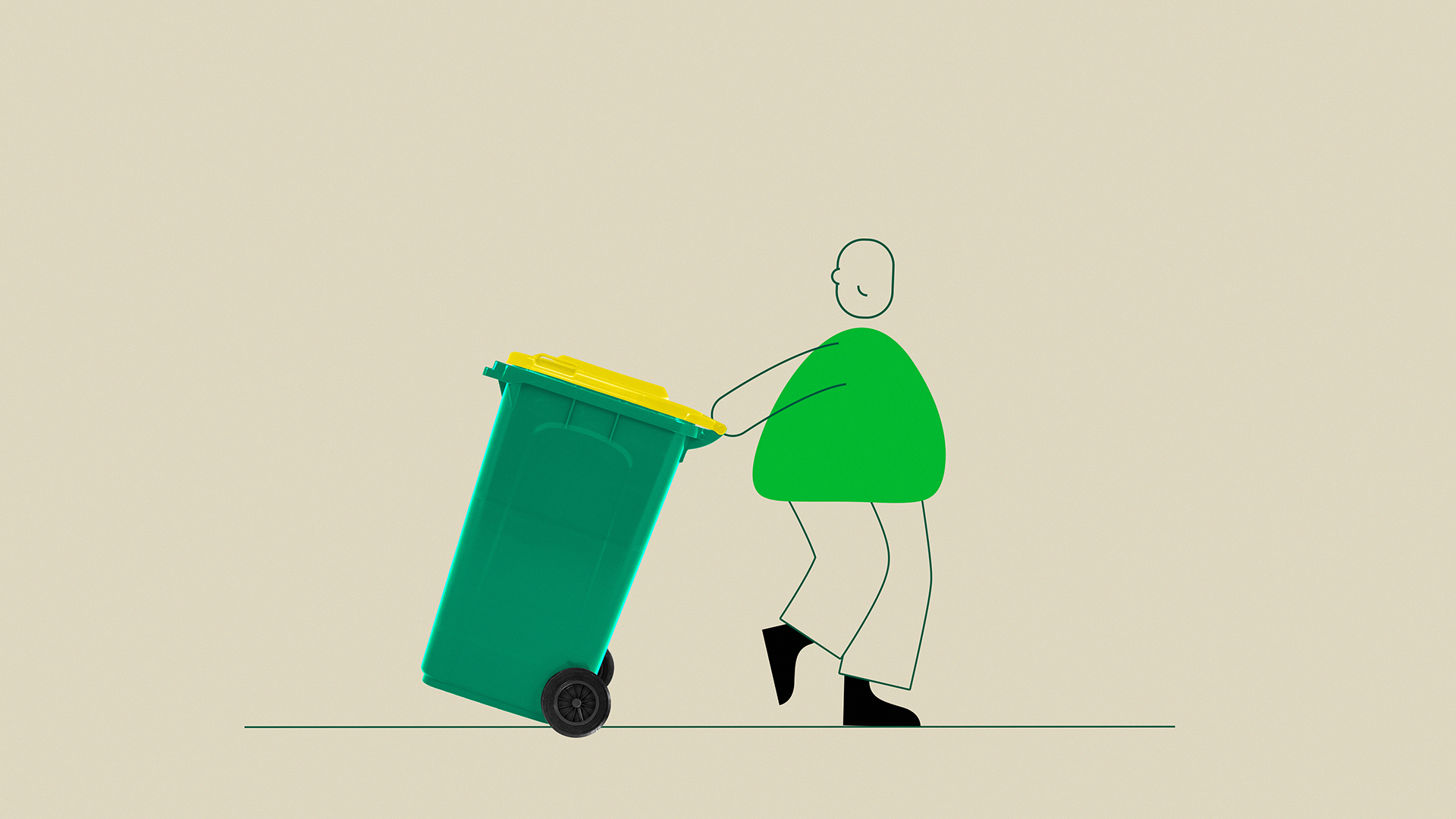
Simply put, recycled content comes from materials that have been recycled and are ready to be remade into something new.
Recycled content refers to the materials that were recovered from used products, where they were reprocessed, and incorporated into something new.
You are probably already using products made with recycled content without even realising. From products, to packaging, and construction projects, businesses have been using recycled materials in building and manufacturing for years.
But recycled content isn’t always easy to see, but here are a few ways you can spot it.
But first, what is recycled content?
Think about a cardboard box or plastic water bottle – once put in the recycling bin, these items are collected and transported to a facility for recycling, where it is shredded, cleaned, and turned back into materials.
These recycled materials are then transformed by makers and manufacturers who turn it into something entirely new.
In a product, recycled content is measured by the weight of recycled materials that make up the whole product. Some products can be made entirely from recycled content, and others with just some. This is because some products have safety and performance requirements, which limit how much recycled content can be used.
Why is recycled content important?
Recycled content is important because it means we are making the most out of the materials we already have.
When businesses make products using recycled materials, they are supporting the continued use of valuable materials that would have otherwise been lost – bringing them back into production, reducing unnecessary waste, and the need to extract more natural resources from the earth.
This could lead to less greenhouse gas emissions, and energy use, and contributes to a healthier environment.
When shoppers choose to buy products made with recycled content, they don’t just play a role in reducing waste and preserving natural resources – they help create demand for the use of recycled materials in production, encouraging more businesses to use them, and play a critical role in building a culture where valuable resources aren’t wasted.
So, how do you look out for it?
It may come as a surprise to find out that you’re probably already using products made with recycled content in your everyday life. From simple items - like paper, cardboard boxes, or plastic packaging - to larger infrastructure projects – like pavements and parks – products made with recycled content is more common than you may think.
It’s not always easy to see recycled content, but here are some ways to spot it:
-
Check the description: Found on a product webpage, back of packaging, or marketing materials, some businesses may highlight the use of recycled materials in their products in its product description.
-
Read the material list: Businesses who supply items like plastic products or construction materials may offer a list of the materials they used to make up a product.
-
Look for labels or certifications: Some businesses may choose to certify their products with eco-labels they display when promoting their products.
Look out for recycled content when you’re next at the shops!
When looking to buy new products, look out for recycled content.
That's because products made with recycled content supports the continued use of the valuable materials we already, rather than letting them go to waste. This reduces unnecessary waste, the need to extract more natural resources, and can lower emissions and energy use.
When you choose products made with recycled content, you’re supporting the businesses who are making this happen.
There are businesses all across Australia already using recycled materials to make new products, and ReMade in Australia is helping them stand out from the crowd.
Soon, businesses will be able to apply to certify their products that made in Australia with recycled content – showing Australians what is made using recycled materials, and how much of it is recycled.
If you are a business looking to certify your products, register your interest at remade.org.au/sign-up.